
The Historical Novel Society -- Editors Choice
Feb. 2, 2026, 10:17 a.m. A review for 'Mistress of Dartington Hall', by Historical Novel Society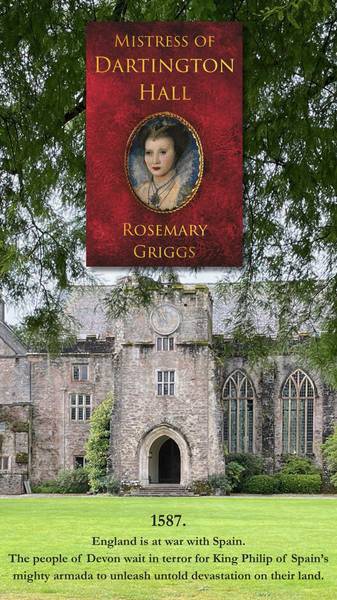
Griggs’s achievement lies in her ability to evoke vividlyan intimate portrait of life in a 16th-century West Country manor house
Devon, 1587: News arrives at the remote manor house of Gawen Champernowne that the Armada is on its way to Plymouth. Gawen, though, is away in Ireland and Roberda, his French Huguenot wife (whom he has already tried, and failed, to divorce), must organise the community’s response to the threat. This is the third book of a trilogy starting with the story of Katherine Champernowne, mother of Sir Walter Raleigh and Gawen’s aunt (A Woman of Noble Wit) and The Dartington Bride, charting Roberda’s journey to England to wed Gawen.
The author is an expert on the history of Dartington, home of the 2024 HNS conference, and it shows. This is a recommended read especially for anyone who came to the manor house in 2024, for they will be able to follow Roberda’s steps through the arch and into the great hall, the core of the house having changed little since. There is a helpful historical note at the end of the book, but I’m prepared to believe that the names of stewards and of the rector could also all be found in the records; even if they are not there, they read as though they could be.
Griggs’s achievement lies in her ability to evoke vividly an intimate portrait of life in a 16th-century West Country manor house and the effect of imminent invasion on its family, tenants and servants. Furthermore, the story puts front and centre the precarious position of women in a society which granted them very few rights, even over their children, and in which Roberda risked being disinherited. Paradoxically, the only woman in the novel who has any real agency of her own is Roberda’s half-sister Béatrice, a nun, brought up as a Catholic by her mother and now the head of a convent.